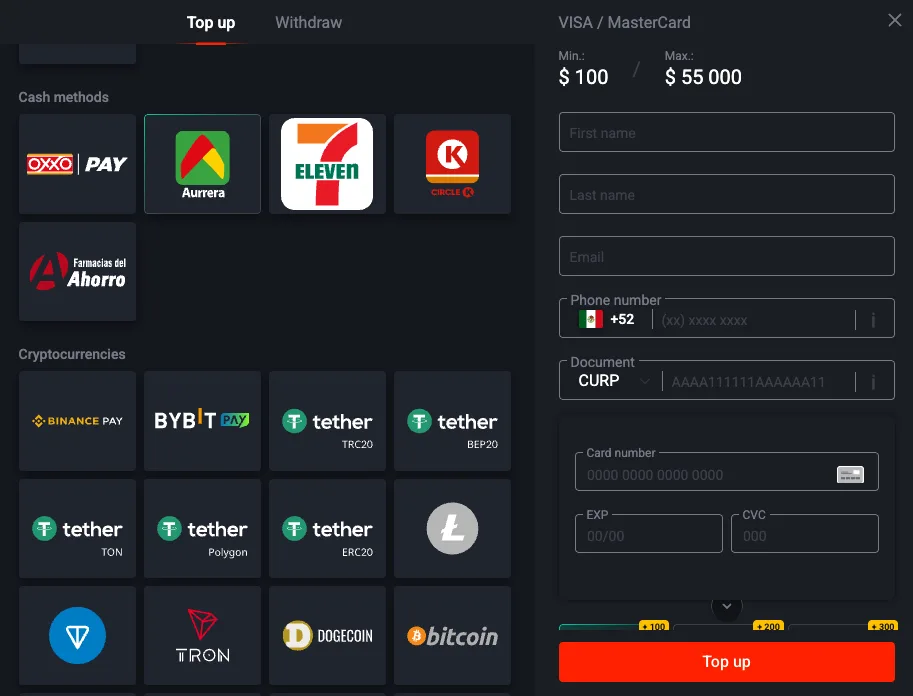
This field report documented a short-term increase in card declines from select BR issuers. The pattern looked issuer-side rather than merchant-side: same account, same cashier flow, different card issuer produced opposite outcomes.
This page is meant to capture one dated operational insight, not to replace the evergreen deposit guides. Use it to understand whether a method is trending cleaner or riskier in a specific market, then compare that finding against the broader recommendations on deposit by country and the cost context on deposit fees. Short posts like this are most valuable when they explain why the headline happened, not just what happened.
For example, a Pix speed improvement matters only if it persists outside one bank's maintenance window, and a card decline spike matters only if the rejections are spread across issuers rather than concentrated in one BIN family. That is why each post should connect back to the main matrix pages: the post gives the dated signal, while the evergreen pages tell readers what to actually do next.
The final screenshot pack for this article should show the exact cashier state, the destination or method-specific confirmation, and one comparative view that makes the operational takeaway obvious at a glance. Once those assets are added, the page becomes a much stronger support URL for country and method intent.
This page is intentionally narrower than the main guides around it. Its job is to document one dated signal, one tested scenario, or one specific operational change in a way that the evergreen overview pages should not. That makes it useful for readers who arrive with a freshness query and useful for the wider site architecture because it gives the core pages a credible, linkable support asset instead of forcing every new event into the homepage or FAQ.
If your own experience differs from what this page describes, that difference is worth investigating rather than ignoring. Either the pattern changed after this page was published, or your account/method/provider mix is behaving differently enough to deserve its own note. In both cases, the right next step is to compare this page with the evergreen guide it supports and use the final screenshot pack to document the gap clearly.
This page is a focused support note for Card Decline Spike on Brazilian Banks (Jan 2026), not a promise that every account will see the same result. The useful part is the pattern: what was checked, which conditions were present, and which next page a reader should use after comparing the result with their own account. For this topic, the most important review fields are cashier state, payment rail, settlement time, fee visibility, issuer behavior, and fallback method. If one of those inputs changes, the practical recommendation can change as well.
The safest way to read any deposit method reliability update is to separate a platform-side signal from a user-side signal. A platform-side signal means the same behavior appears across multiple accounts, devices, or sessions. A user-side signal may come from one bank, one carrier, one browser, one bonus state, or one KYC profile. This distinction matters because platform-side issues justify changing the main recommendation, while user-side issues usually call for a troubleshooting step or a fallback path.
Before acting on this note, compare it with the evergreen guide linked from this page and check the live cashier, lobby, or account screen yourself. Treat dated observations as a freshness layer on top of the main guide, not as a replacement for current on-screen terms. When the live screen disagrees with this report, the live screen wins; the report remains useful because it explains what changed and which evidence to collect if support needs to review the case.
This page is an editorial Pin-Up guide, not a promise of winnings, account approval, or payment speed. For broader player-safety context, see Banco Central do Brasil Pix information. Keep sessions budgeted and use the Registration link only where online gambling is legal for you.
